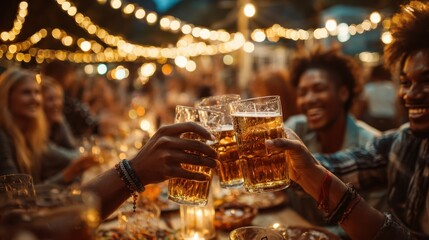
African bars have become increasingly popular around the world, not just as places to grab a drink, but as vibrant cultural hubs that bring people together through music, food, tradition, and communal spirit. These establishments offer a unique fusion of hospitality, storytelling, and cultural expression that sets them apart from typical nightlife venues. Whether you’re discovering one for the first time or frequenting one regularly, Bar Africain à Montréal provide an experience rooted in heritage, creativity, and connection.
This article explores what makes African bars special, their defining features, the drinks and dishes you’ll often find, the music that sets the mood, and why these unique social spaces continue to attract a diverse global audience.
A Cultural Experience Beyond the Bar Counter
Unlike conventional bars that mainly focus on drinks and ambiance, African bars offer a deeper cultural experience. They are built around a sense of community and togetherness, values that sit at the heart of many African traditions. When you step into an African bar, you’re greeted by a warm atmosphere, rhythmic music, and décor that often reflects the artistry of the continent.
The goal is not simply to serve beverages but to create a space where people can unwind, celebrate, dance, and share stories. African bars embrace the idea that hospitality is a cultural expression, and customers are treated like part of a larger family. This strong sense of connection is a major reason why these bars stand out.
The Atmosphere: Warm, Vibrant, and Welcoming
One of the first things you’ll notice in an African bar is the atmosphere. It’s lively yet relaxed—energetic but still comfortable for conversation and socializing. The décor often incorporates traditional patterns, handcrafted furniture, carved wood pieces, colorful artwork, woven textiles, and symbolic motifs that highlight various African cultures.
Popular ambient features include:
- Earthy tones and natural materials like wood, clay, and woven fibers
- Bright, bold colors representing African artistry and heritage
- African sculptures, masks, and paintings
- Rustic lighting that creates a warm, inviting mood
- Outdoor-style seating or open-air layouts reminiscent of village gatherings
Everything is designed to make guests feel at ease while celebrating cultural pride and craftsmanship.
The Music: Heartbeat of the African Bar Experience
Music is an essential part of African identity, so it’s no surprise that it plays a central role in shaping the atmosphere of African bars. It sets the tone, energizes the crowd, and often encourages dancing. Depending on the theme and style of the bar, the playlist may include:
- Afrobeats
- Highlife
- Amapiano
- Soukous
- Afrohouse
- Traditional drumming
- Afropop and R&B fusions
Live performances, DJ sets, drum circles, and dance sessions are common. The music doesn’t just entertain—it brings people together, encourages movement, and adds an element of authenticity to the space. In many African bars, it’s common for the crowd to participate by singing along, clapping, or joining communal dances, enhancing the sense of unity.
The Drinks: A Mix of Modern and Traditional Flavors
African bars are known for their distinctive blend of modern cocktails and culturally inspired beverages. While international drinks are often available, many guests visit to enjoy authentic African flavors.
Common drink offerings include:
Traditional Brews
These are beverages rooted in African heritage and crafted using age-old fermentation techniques. Depending on the region, ingredients may include grains, fruits, or palm extracts. Their flavors are often earthy, rich, and unique—offering a taste of tradition.
Palm-based Drinks
Palm wine and palm-based liquors are staples in many African cultures. They come with natural sweetness and a refreshing finish that many visitors love.
Fruit Cocktails
African bars also offer vibrant cocktails made with tropical fruits such as mango, pineapple, passion fruit, and tamarind. These blends deliver bold flavors and colorful presentations.
Spiced and Herbal Infusions
Drinks infused with ginger, hibiscus, cloves, or aromatic herbs are popular for their refreshing yet complex taste.
Bar mixologists often create signature drinks that reflect African innovation and storytelling, showcasing the continent’s diverse natural ingredients.
The Food: A Delicious Extension of African Culture
Food is another major highlight of African bars. While some bars offer light snacks, many serve full dishes packed with authenticity and flavor. African cuisine is known for its rich spices, hearty ingredients, and bold tastes that leave a lasting impression.
Common foods found in African bars include:
- Grilled meats, especially those marinated with traditional spice blends
- Spicy stews made with beef, chicken, or fish
- Fried snacks such as plantains, dumplings, or savory pastries
- Flatbreads or dough-based sides
- Vegetable and bean dishes
- Seasoned rice meals infused with herbs and spices
Food in African bars is designed for sharing, reflecting the communal culture. Platters and group meals are common, making the dining experience social and interactive.
A Hub for Socializing and Community Building
African bars are more than nightlife venues—they are social spaces where bonds are formed and memories are made. They serve as meeting points for friends, coworkers, families, and even strangers who become friends by the end of the night. Regulars often build a sense of belonging, and newcomers are welcomed with open arms.
Elements that contribute to the community-focused environment include:
- Group seating arrangements
- Encouragement of conversation and dancing
- Cultural events and themed nights
- Live entertainment
- Shared food platters and communal tables
Instead of people sticking to their own groups, African bars encourage mingling, creating an atmosphere where everyone feels included.
Cultural Celebrations and Special Events
To further celebrate African heritage, many bars host theme nights and cultural events. These special occasions bring authentic traditions to life and may include:
- Traditional dance performances
- Drumming showcases
- Fashion nights featuring African attire
- Storytelling sessions
- Art exhibitions
- Cuisine showcases from different regions
These events give visitors a deeper appreciation of African culture while enhancing the bar’s festive atmosphere.
Why African Bars Are Gaining Global Popularity
The rise of African bars around the world is driven by several factors:
1. Growing Appreciation for African Culture
People are becoming more curious about the traditions, music, and cuisine of the continent. African bars provide an accessible and enjoyable way to experience this culture firsthand.
2. The Global Influence of African Music
Genres such as Afrobeats, Amapiano, and Afrohouse have taken over global charts. As this music spreads, so does the desire for nightlife experiences that reflect the same vibe.
3. Unique Culinary Offerings
African flavors are bold, fresh, and distinct. Many food lovers seek new culinary experiences beyond mainstream cuisines, making African bars an appealing destination.
4. A Sense of Community
Modern nightlife can sometimes feel disconnected or impersonal. African bars offer warmth, friendship, and belonging—qualities many people crave.
5. A Different Kind of Nightlife Experience
From the décor to the food to the music, African bars offer something truly different. They combine nightlife entertainment with cultural education and social unity, creating memorable experiences.
Modern Twists While Preserving Tradition
While African bars honor heritage, many also incorporate modern twists. Mixologists may experiment with fusion cocktails, DJs blend African beats with electronic sounds, and chefs incorporate contemporary plating styles. Despite these innovations, the core of African culture—hospitality, music, community, and tradition—remains strong.
This blending of old and new makes African bars appealing to a broad audience. Whether someone is seeking an authentic traditional experience or a modern, Afro-inspired night out, these bars offer something for everyone.
What to Expect on Your First Visit
If you’re planning to visit an African bar for the first time, here’s what you can look forward to:
- Warm welcomes from staff and guests
- Lively music and rhythmic beats that make you want to dance
- Bold flavors in drinks and food
- Colorful décor inspired by African artistry
- A friendly crowd that encourages conversation and connection
- Authentic cultural touches, from drumming to traditional clothing
You may even find yourself learning new dances, tasting unfamiliar dishes, or participating in group celebrations. The experience is about enjoyment, discovery, and connection.
The Heart of African Bars: Unity and Joy
At their core, African bars are about more than nightlife—they are about celebrating life. They showcase the beauty, creativity, and spirit of African cultures while offering a haven where people can relax, laugh, dance, and connect. Their unique blend of hospitality, tradition, and entertainment has allowed them to stand out in a crowded nightlife scene.
Whether you’re seeking vibrant music, rich flavors, or a sense of community, African bars provide an unforgettable experience that stays with you long after you leave. They are a reminder that culture is best enjoyed when shared—with friends, with strangers, and with everyone who walks through the door.
